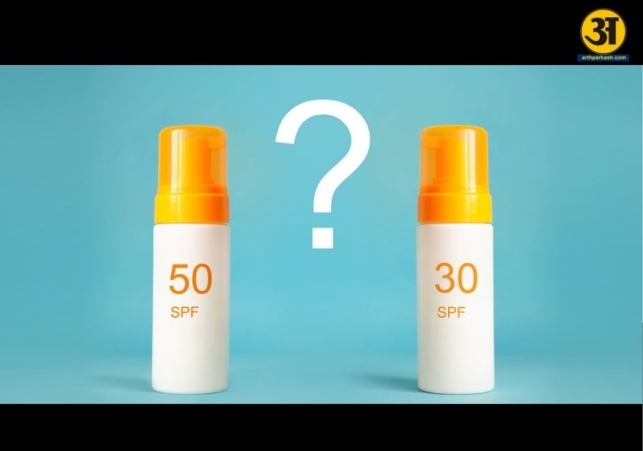
Understanding SPF can help protect your skin better
SPF 30 or SPF 50? A dermatologist explains how to choose the right sunscreen
Sun protection is often associated with beach vacations and outdoor activities, but experts say sunscreen should be a part of daily life, regardless of where you are. Whether you are walking to work, driving, running errands or sitting near a window, your skin is constantly exposed to ultraviolet (UV) rays that can cause long-term damage.
Many people believe that simply choosing the sunscreen with the highest SPF number will provide complete protection. However, dermatologists say that effective sun protection involves much more than looking at the SPF label. Understanding the difference between UV rays, knowing how sunscreen works and applying it correctly are all important steps in keeping your skin healthy.
According to cosmetic dermatologist Dr Paula Fakhre, daily sun exposure adds up over time, even when it seems insignificant.
“People often think sunscreen is only necessary at the beach or during outdoor vacations. In reality, UV exposure happens every day. Short periods of sun exposure during regular activities can accumulate over the years and affect skin health,” she explains.
Sun damage is not just about getting a sunburn. Continuous exposure to UV rays can contribute to premature ageing, pigmentation, wrinkles and an increased risk of skin cancer. This is why understanding how sunscreen works is essential for making the right choice.
Understanding UV rays
The sun produces different types of ultraviolet rays, and each affects the skin differently.
UVA rays penetrate deep into the skin and are mainly responsible for premature ageing. They contribute to wrinkles, fine lines, dark spots and loss of skin elasticity. UVA rays can also increase the risk of skin cancer. One important fact is that these rays can pass through window glass, meaning your skin can still be exposed indoors or while driving.
UVB rays primarily affect the outer layer of the skin. They are responsible for causing sunburn and can directly damage skin cells. UVB exposure is also linked to the development of skin cancer.
UVC rays are considered the most dangerous type of ultraviolet radiation. Fortunately, most UVC rays are absorbed by the Earth’s ozone layer and do not reach the surface.
Because both UVA and UVB rays can harm the skin, dermatologists recommend choosing a sunscreen that offers protection against both. This is commonly referred to as a broad-spectrum sunscreen.
Many people focus only on SPF without checking whether the product protects against UVA rays. Experts say this is a common mistake that can leave the skin vulnerable to long-term damage.
Another point of confusion is the difference between sunscreen and sunblock. Although the terms are often used interchangeably, they work differently.
Chemical sunscreens contain ingredients that absorb UV radiation and convert it into heat, which is then released from the skin. These formulas are usually lightweight, easy to spread and comfortable for everyday use.
Mineral sunblocks, sometimes called physical sunscreens, contain ingredients such as zinc oxide and titanium dioxide. These sit on the surface of the skin and help reflect UV rays away from it. Mineral products begin working immediately after application and are often recommended for sensitive skin.
Both options can be effective if used correctly, and the choice often depends on individual skin type and personal preference.
ALSO READ: US launches fresh strikes on Iran as tensions rise across the Gulf region
ALSO READ: Ram Temple Trust resumes donation counting with new supervision amid ongoing probe
Choosing the right SPF
One of the most frequently asked questions is whether SPF 50 is significantly better than SPF 30.
SPF stands for Sun Protection Factor and measures how well a sunscreen protects against UVB rays.
According to experts:
-
SPF 30 blocks about 97 per cent of UVB rays.
-
SPF 50 blocks about 98 per cent of UVB rays.
At first glance, the difference may seem very small. For most people, SPF 30 provides excellent daily protection when applied correctly. However, SPF 50 may offer an additional layer of protection for individuals with very fair skin, photosensitivity, a history of skin cancer or conditions that make them more vulnerable to sun damage.
The most important thing to remember is that no sunscreen blocks 100 per cent of UV rays. A higher SPF does not mean unlimited protection or fewer applications throughout the day.
Dermatologists emphasise that proper application is often more important than choosing the highest SPF number.
Research shows that most people apply much less sunscreen than required. SPF testing in laboratories is based on applying approximately 2 milligrams of sunscreen per square centimetre of skin. In real life, many people use only half of the recommended amount, which significantly reduces the level of protection.
For the face and neck, experts recommend the popular two-finger rule, which involves squeezing sunscreen along the length of two fingers and applying that amount evenly across the face and neck.
For the entire body, approximately 30 to 35 millilitres of sunscreen may be needed to achieve proper coverage.
Reapplication is equally important. Sunscreen should generally be reapplied every two hours when outdoors. If you are sweating heavily, swimming or towel-drying your skin, you may need to reapply even sooner. Even products labelled as water-resistant lose effectiveness over time.
For those using Korean or Japanese sunscreens, experts recommend checking the PA rating, which indicates UVA protection. A rating of PA++++ provides the highest available level of UVA defence.
Sun protection should also include other preventive measures. Wearing sunglasses, wide-brimmed hats and protective clothing can reduce UV exposure. Seeking shade during peak sunlight hours, usually between late morning and mid-afternoon, can further help protect the skin.
Ultimately, choosing the right sunscreen is not just about selecting the highest SPF. A good sunscreen should provide broad-spectrum protection, suit your skin type and be applied generously and consistently. When combined with healthy sun-safety habits, sunscreen can play a major role in preventing premature ageing, pigmentation and long-term skin damage, helping you maintain healthier skin for years to come.
Related News